Hola a todos. Con el paso del tiempo, me he dado cuenta que mis progresos en modelismo están estancados en cuanto tengo que hacer piezas complejas y pequeñas, y pintarlas posteriormente, por que con mis manos, las herramientas y los materieles existentes, no me permiten llegar a ellas. Así pues, y viendo los que otros modelistas o artesanos pueden llegar a hacer, estoy trabajando en el modelado 3D con el programa Fusion desde Enero. Mi idea con este aprendizaje, es llegar obtener las piezas necesarias para detallar mis kits, y así, continuar con mi aprendizaje modelístico y que no se quede estancado.
Hello everyone. Over time, I’ve realized that my progress in model making has stalled when I have to create and paint small or complex pieces, because my hands, tools, and available materials simply don’t allow me to achieve that level of detail. So, seeing what other modelers and craftspeople can accomplish, I’ve been working on 3D modeling with Fusion since January. My goal with this learning process is to create the necessary pieces to detail my kits, thus continuing my modeling development and preventing it from stagnating.
El programa Fusión es muy fácil e intuitivo en cuanto coges la idea de como preparar las piezas. Mi amigo Mario Vallina, me ha ayudado mucho a la hora de entrar en esta aplicación, y junto a los videos que hay en Youtube, en estos dos meses he avanzado mucho. He de decir que me gusta el diseño de piezas y el dibujo técnico, por lo que algo ya tenía de base. Y hasta que no tenga una propia impresora, donde pueda obtener las piezas fisicas, he empezado a hacer diseños sin medidas exactas y a ojo, de piezas que, o me han costado hacerlas desde cero, o que pueda necesitar en futuros kits que tengo pendientes de hacer. Deciros que son pruebas y que pueden no ser exactamente como las piezas reales, que les falten partes o curvaturas. SOn trabajos para conocer la herramienta. Y empezamos con ellas:
The Fusion program is very easy and intuitive once you grasp how to prepare the parts. My friend Mario Vallina has been a great help in getting started with this application, and along with the videos on YouTube, I’ve made a lot of progress in these two months. I should mention that I enjoy parts design and technical drawing, so I already had some basic knowledge. Until I have my own printer where I can obtain physical parts, I’ve started making designs without exact measurements, just eyeballing them. These are parts that were either difficult to make from scratch or that I might need in future kits I have planned. These are just tests, and they may not be exactly like the real parts; they might be missing pieces or have curves. They’re exercises to familiarize myself with the tool. So, let’s begin:
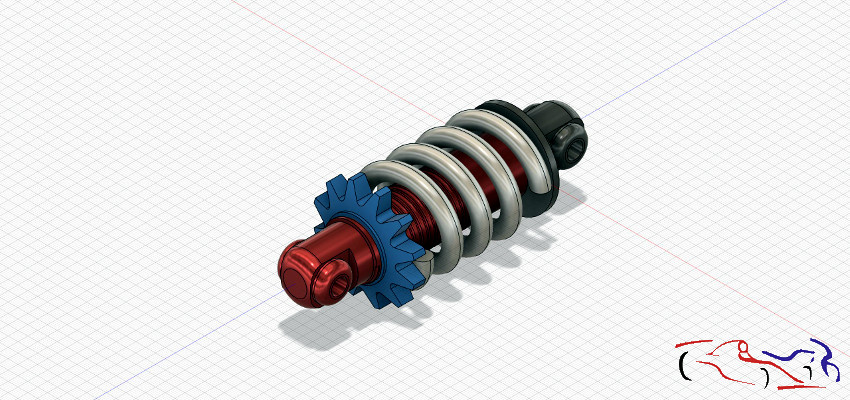
Amortiguador de coche de competición:
Racing car shock absorber:
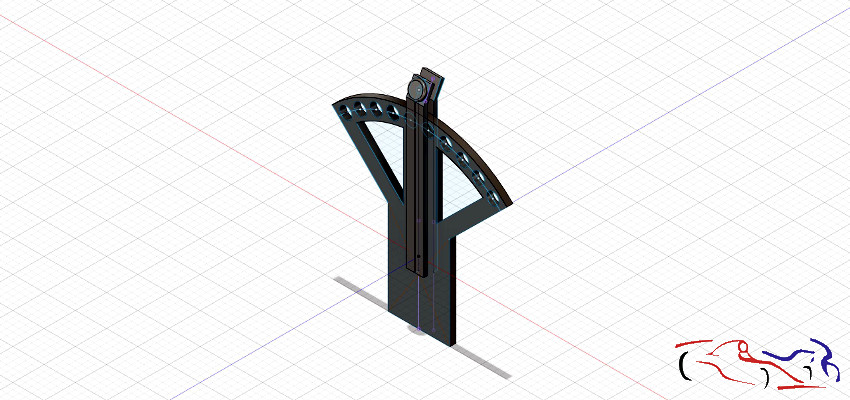
Del BMW M3 E 30, tengo todas estas piezas:
From the BMW M3 E30, I have all these parts:
- Repartidor de frenos:
Brake proportioning valve:
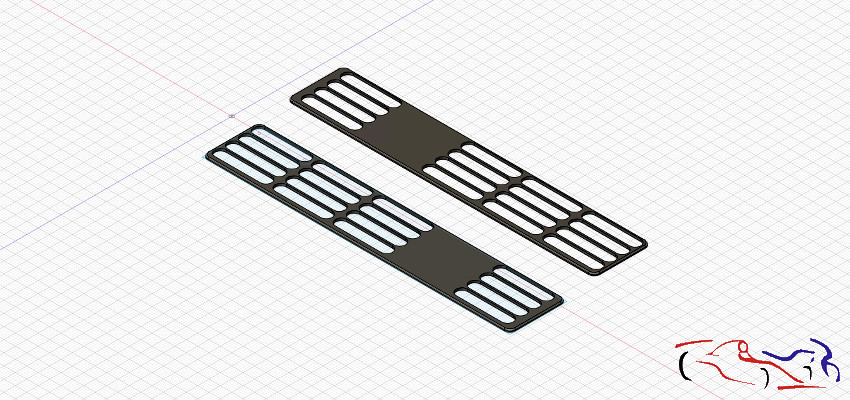
- Entrada de aire que tiene delande del parabrisas:
Air intake located in front of the windshield:
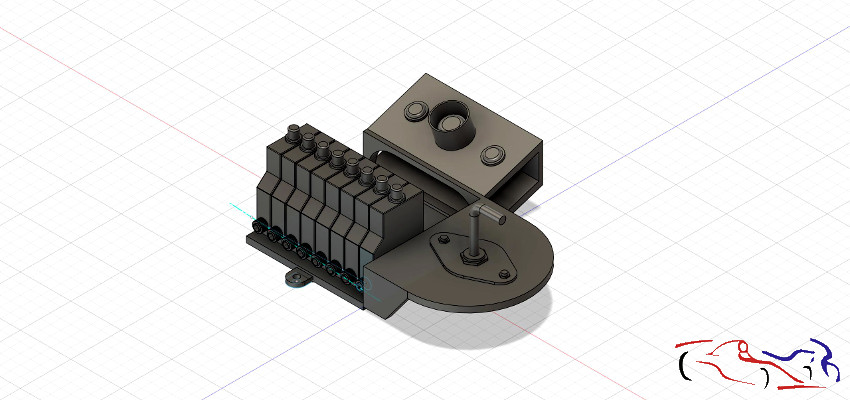
- Caja de fusibles:
Fuse box:
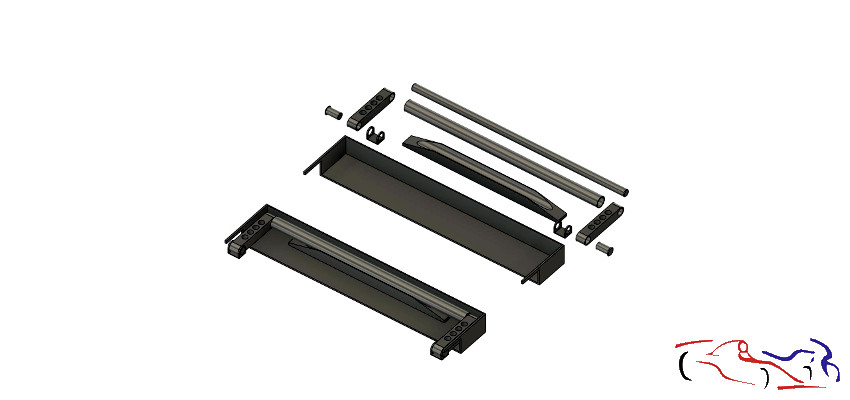
- Conjunto de base y bisagra del capo, pieza conjunta y despiece:
Hood base and hinge assembly, joint and parts breakdown:
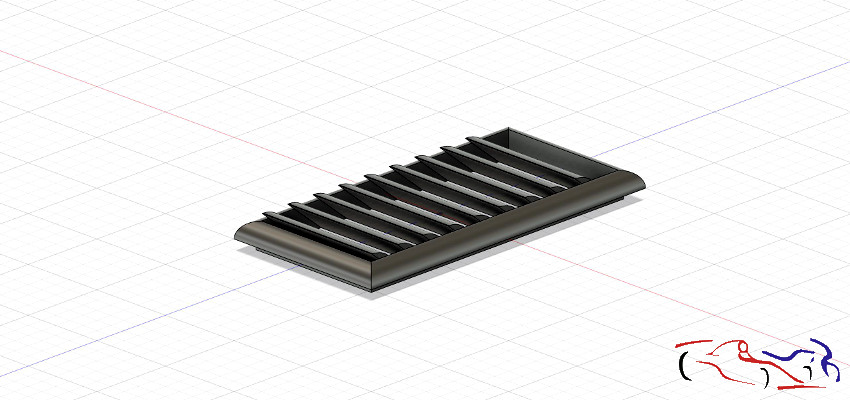
Entrada de aire de coches de los años 80 o 90:
Car air intake from the 80s or 90s:
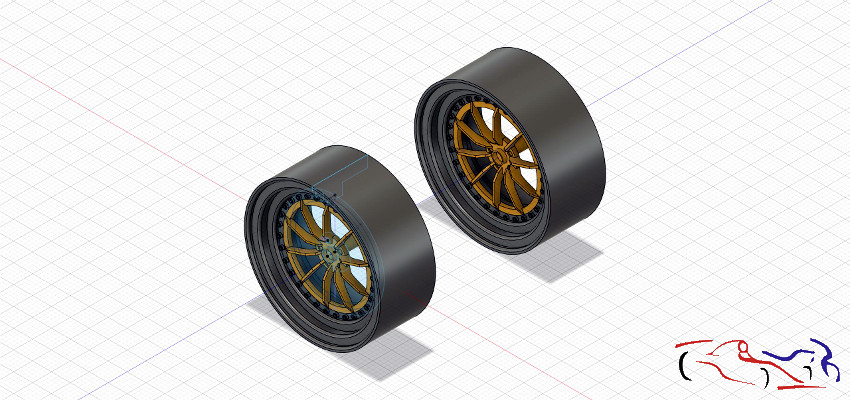
Llanta Braid de los años 80 y 90 de los campeonatos españoles:
Braid rim from the 80s and 90s used in the Spanish championships:
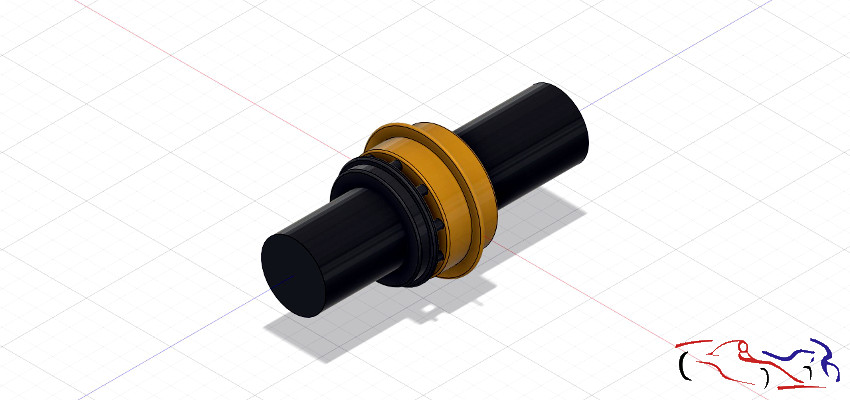
Fijación del volante en turismos de competición:
Steering wheel mounting in racing cars:
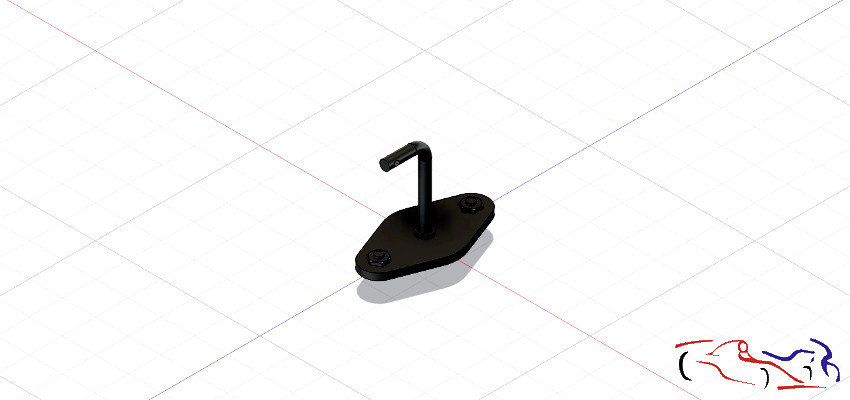
Corta corriente:
Cut off the power:
Bisagra porton Lancia Delta S4:
Lancia Delta S4 tailgate hinge:
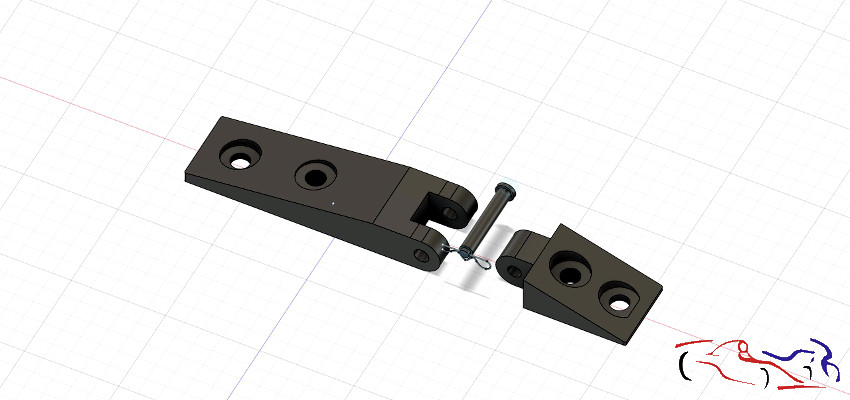
Bisagra usada en Lancia:
Hinge used in Lancia cars:
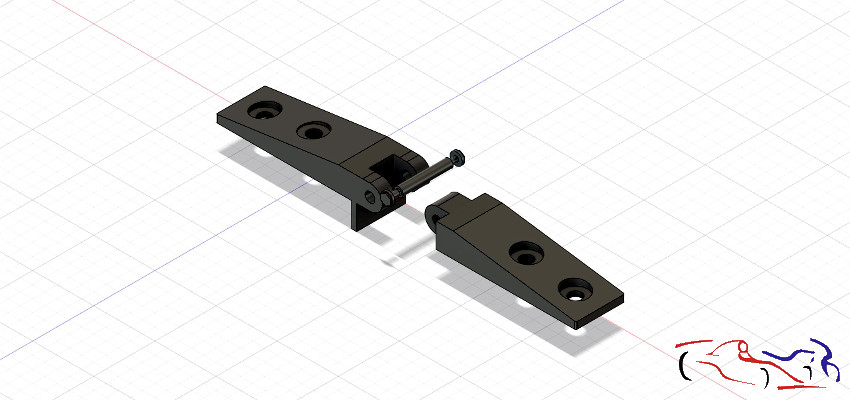
Bisagra portón del Lancia 037:
Lancia 037 tailgate hinge:
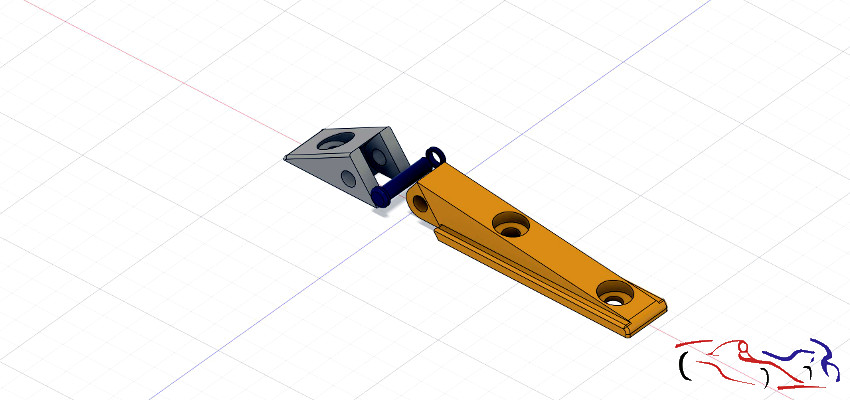
Bisagra puertas del Land Rover modelo 88 o 109:
Door hinges for Land Rover model 88 or 109:
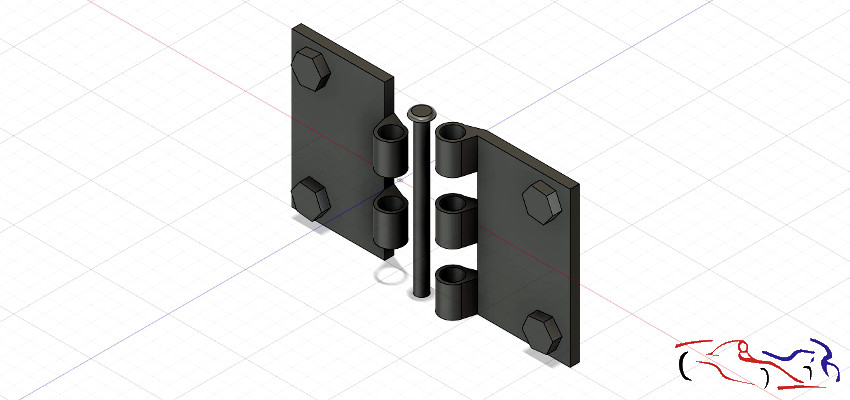
Bisagra y su despiece:
Hinge and its parts breakdown:
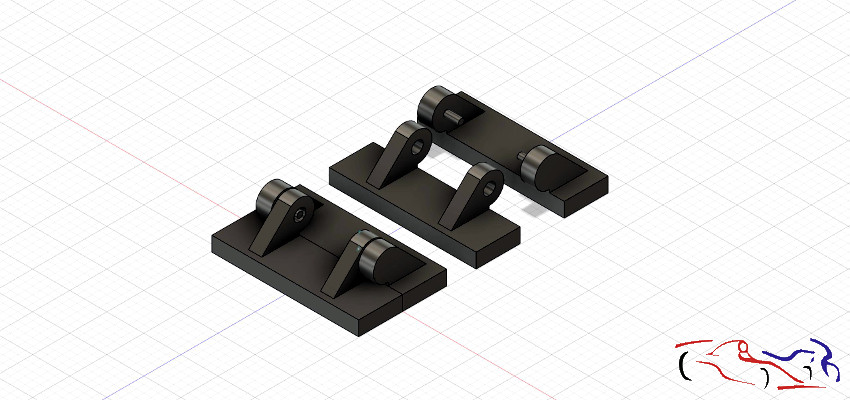
Hasta aquí he llegado y espero ir poniéndoos mis progresos. Espero que os guste!
This is as far as I’ve gotten, and I hope to keep you updated on my progress. I hope you like it!